
By Fatima Ibrahim Sani
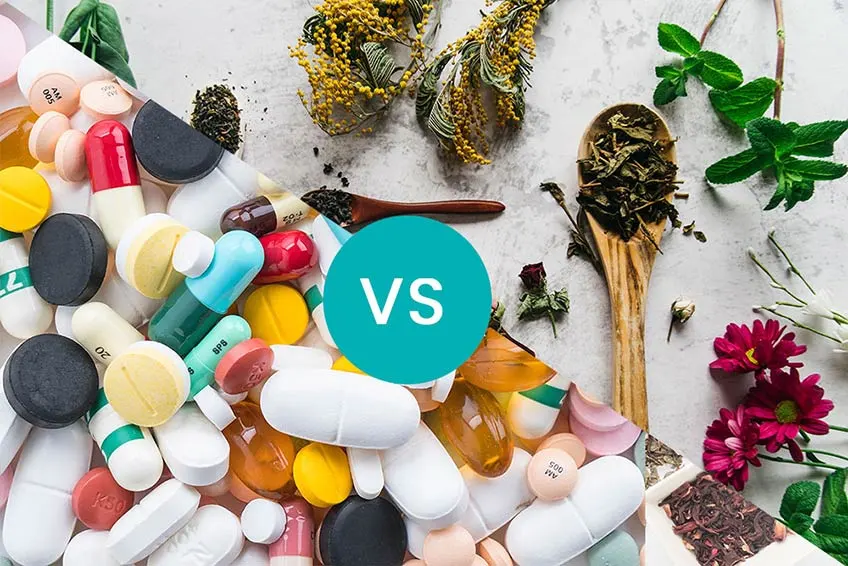
In Nigeria — and across much of Africa — health decisions often come down to a crossroads: the hospital or the herb seller. Modern medicine offers tablets, injections, and tests backed by science, while traditional remedies are rooted in cultural wisdom, natural plants, and ancestral trust. Both paths carry value.
For centuries, herbs and local remedies have been the first line of defense against illness. According to the World Health Organization (WHO), nearly 80% of people in developing countries still rely on traditional medicine for some part of their primary health care.
Fatima, a 55-year-old market woman in Kano, puts it this way:
> “My mother treated us with herbs, and we survived. Hospitals are expensive, and sometimes doctors don’t even have the medicine. I trust what I know.”
Researchers in the African Journal of Traditional, Complementary and Alternative Medicine found that affordability and accessibility are two major reasons people turn to herbs. In many rural communities, a herbalist may be closer — and cheaper — than the nearest hospital.
Yet, modern medicine has transformed global health. Vaccines have wiped out smallpox, antibiotics save millions of lives annually, and scientific research continues to push life expectancy upward.
Dr. Musa Abdullahi, a medical practitioner at Aminu Kano Teaching Hospital, insists modern medicine cannot be overlooked:
> “Herbs have their place, but without proper dosage and testing, they can be dangerous. Science gives us precision. We can measure, monitor, and control side effects.”
Indeed, the Centers for Disease Control and Prevention (CDC) highlights how modern medicine has cut child mortality rates by more than half in the past 30 years worldwide.
But the divide is not just medical — it’s emotional.
Musa, a university student, admits he is torn:
> “When I get malaria, my first instinct is to buy agbo (herbal mixture). It feels natural. But my father insists I must go to the hospital. Sometimes I mix both — take herbs first, then go for drugs if I don’t get better.”
This habit is common. A report by the Nigerian Institute of Medical Research (NIMR) shows that many Nigerians practice “medical pluralism” — combining both traditional and modern approaches depending on the illness.
However, mixing both paths isn’t always safe. According to a 2021 World Health Organization safety report, unregulated herbal concoctions can interfere with prescribed drugs, reducing their effectiveness or even worsening conditions.
Chinedu, a pharmacist in Abuja, warns:
> “I’ve seen patients who took antibiotics alongside strong herbal bitters. The drugs stopped working properly, and the infection got worse. People don’t realize herbs can interact badly with modern medicine.”
Another challenge is affordability. A study published in BMJ Global Health found that healthcare costs remain one of the top reasons Africans delay going to hospitals.
Aisha, a mother of three, captures this dilemma:
> “When my child has a fever, hospital consultation alone can be ₦3,000 or more. Herbs cost maybe ₦500. Which one do you think a struggling mother will choose first?”
Globally, there’s growing recognition that both approaches can complement each other. In China and India, traditional medicine has been integrated into hospitals with research, regulation, and dosage control.
The African Union has also called for stronger policies to regulate herbal medicine, ensuring safety while preserving cultural practices.
Professor Hadiza Ibrahim, a public health expert at Bayero University Kano, believes integration is key:
> “Instead of dismissing traditional medicine, we need research to test its safety and combine what works with modern healthcare. That way, people don’t have to choose — they can benefit from both.
The choice between hospital drugs and herbal remedies is not just about treatment — it’s about identity, economics, and trust. My opinion? Both paths have value, but safety must come first. Herbs should be studied, standardized, and integrated into formal healthcare, so people no longer have to gamble with their health.
At the end of the day, whether it’s bitter leaves in a pot or pills in a blister pack, what people really want is simple: to get better, affordably and safely.
Fatima Ibrahim Sani is a student of Mass Communication, Bayero University Kano (BUK).